
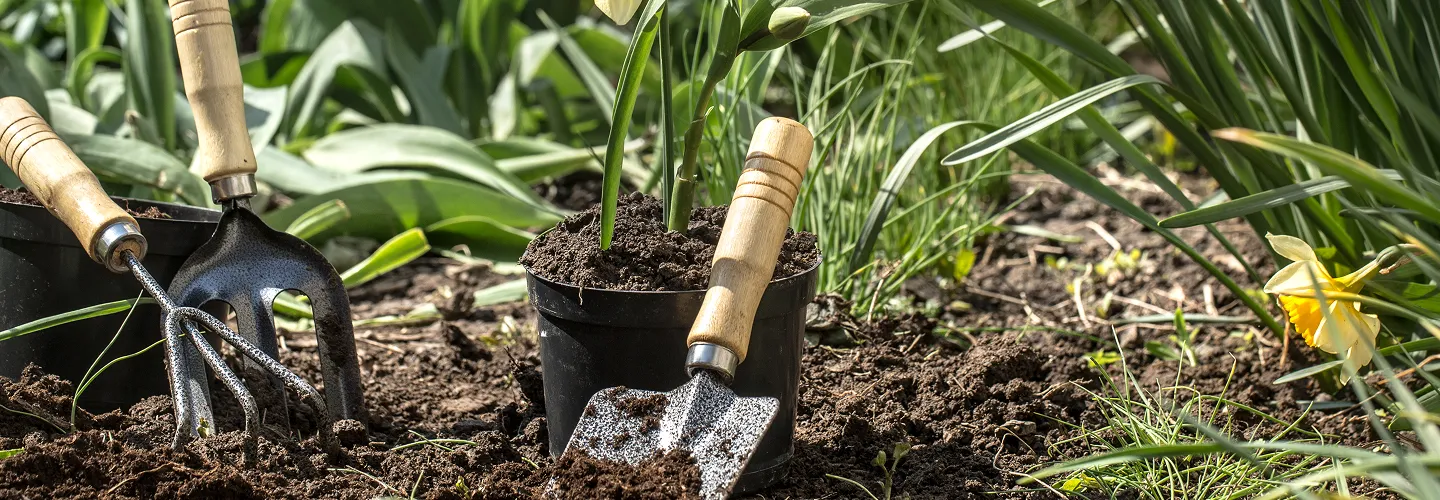
Briarcliff Dethatching Lawn Services
Choose our dethatching lawn services for a healthier, greener yard—our experienced team removes built-up thatch to improve water, nutrient, and air flow, ensuring your grass thrives all season long.
Get a Free QuoteOur Briarcliff Landscaping & Yard Care Services
When to Schedule Dethatching Lawn in Briarcliff, Texas – Seasonal Guide
In Briarcliff, Texas, the best time to schedule lawn dethatching is typically in late spring or early fall, when grass is actively growing and can recover quickly. The region’s warm climate, with its hot summers and mild winters, means that dethatching too early in spring or too late in fall can expose your lawn to stress from unexpected frost or summer drought. Neighborhoods near Lake Travis and the shaded lots around Briarcliff Marina often experience unique microclimates, so it’s important to consider your property’s specific conditions.
Local environmental factors such as soil composition—often a mix of clay and rocky substrates—can affect how quickly thatch builds up. Areas with dense tree coverage, like those near Pace Bend Park, may require more frequent dethatching due to increased leaf litter and shade. Additionally, municipal guidelines and seasonal water restrictions, which you can review on the Sudbury town website, may influence the optimal timing for lawn care services.
Local Factors to Consider for Dethatching Lawn in Briarcliff
- Tree density and shade coverage (especially near Lake Travis and Pace Bend Park)
- Soil type (clay and rocky soils common in Briarcliff)
- Seasonal precipitation and drought risk
- Frost dates and temperature fluctuations
- Municipal water use restrictions
- Terrain and drainage patterns
By considering these local factors, you can ensure your lawn receives the best possible care and remains healthy year-round.
Benefits of Dethatching Lawn in Briarcliff
Improved Lawn Health
Enhanced Grass Growth
Increased Water Absorption
Reduced Pest and Disease Risk
Boosted Curb Appeal
Professional Landscaping Expertise
Briarcliff Dethatching Lawn Types

Cool-Season Grasses
-
Warm-Season Grasses
-
Fescue Lawns
-
Bluegrass Lawns
-
Zoysia Lawns
-
Bermuda Lawns
-
Ryegrass Lawns
Our Dethatching Lawn Process
Lawn Evaluation
Thatch Depth Measurement
Dethatching Equipment Setup
Thatch Removal
Cleanup and Disposal
Why Choose Briarcliff Landscape Services
-
Briarcliff Homeowners Trust Us
-
Expert Lawn Maintenance
-
Reliable Scheduling
-
Competitive Pricing
-
Professional Team
-
Satisfaction Guarantee
-
Personalized Service
Dethatching Lawn Practices for Briarcliff’s Blackland Prairie Soils
Dethatching in Briarcliff requires careful consideration of the region’s predominant Houston Black clay soils, which are classified as Vertisols and known for their high shrink-swell capacity and poor drainage. According to the USDA Web Soil Survey, these soils often develop dense thatch layers due to slow organic matter breakdown, especially in areas with heavy turfgrass coverage. For optimal results, dethatching should be performed when soil moisture is moderate to avoid compaction and turf damage. Recommended practices include:
- Using vertical mowers set to penetrate 0.5-1 inch
- Removing thatch when the layer exceeds 0.5 inch
- Collecting debris for municipal disposal
- Avoiding dethatching during saturated or drought conditions
For soil testing and amendment guidance, consult Texas A&M AgriLife Extension. Dethatching frequency in Briarcliff is typically every 2-3 years, depending on turf species and site conditions.
Municipal Coordination and Yard Waste Disposal in Briarcliff
Proper disposal of dethatching debris is regulated by local ordinances to protect stormwater quality and maintain public health. Briarcliff residents must adhere to collection schedules and container requirements for yard waste. Accepted practices include:
- Weekly yard waste pickup: Thursdays, April through November
- Use of biodegradable bags or 32-gallon reusable bins
- Prohibition of plastic bags and branches over 4 inches in diameter
- Debris must not be placed in storm drains or waterways
Violations may result in fines under city code. For detailed collection procedures and compliance questions, contact:
City of Austin Transportation & Public Works
505 Barton Springs Road, Austin, TX 78704
Phone: (512) 974-7065
Official Website: City of Austin Transportation & Public Works
Environmental Compliance: Stormwater and Buffer Zone Regulations in Briarcliff
Dethatching activities in Briarcliff must comply with state and federal stormwater regulations, including the Clean Water Act and Texas MS4 permit requirements administered by the Texas Commission on Environmental Quality (TCEQ). Key compliance steps include:
- Maintaining a 25-foot no-disturbance buffer from wetlands and streams
- Preventing grass clippings and thatch from entering storm drains
- Avoiding fertilizer or pesticide application within 50 feet of Lake Travis or other water bodies
- Scheduling dethatching during dry weather to minimize runoff risk
For environmental reporting or concerns, contact:
Austin Environmental Commission
301 W 2nd Street, Austin, TX 78701
Phone: (512) 974-2200
Official Website: Austin Environmental Commission
Seasonal Timing and Equipment Standards for Dethatching in Briarcliff’s Climate
Briarcliff is located in USDA Hardiness Zone 8b, with optimal dethatching windows in late March through early April, when soil temperatures reach 55°F and turfgrass is actively growing. Equipment operation is regulated by local noise ordinances:
- Monday-Friday: 7:00 AM - 7:00 PM
- Saturday: 8:00 AM - 6:00 PM
- Sunday and holidays: Prohibited
Operators must use commercial-grade dethatchers with sharp blades and functioning mufflers. Safety requirements include:
- ANSI Z87.1 safety glasses
- Hearing protection for noise above 85 dB
- Steel-toed boots and gloves
For weather forecasts and soil temperature data, consult the National Weather Service Austin/San Antonio Office.
What Neighborhoods Do We Serve Throughout Briarcliff, TX?
- Briarcliff Proper: Features mature landscapes with dense turf and heavy clay soils, requiring careful dethatching to prevent compaction and runoff into Lake Travis.
- Cat Mountain Estates: Elevated lots with sloped terrain and variable drainage, where dethatching must account for erosion control and safe equipment operation on inclines.
- Marina District: Proximity to Lake Travis necessitates strict adherence to buffer zones and stormwater protection during debris removal.
- Pace Bend Park Area: Adjacent to protected parklands, this area requires compliance with conservation guidelines and limited equipment access due to narrow roads.
- Cliffside Drive Corridor: Characterized by smaller lots and higher density, necessitating precise scheduling to comply with noise ordinances and minimize neighborhood disruption.
- Sunset Point: Exposed sites with wind-prone conditions, where dethatching debris must be promptly collected to prevent dispersal into public spaces and waterways.